

Bread paradox
~5×
Time-cost at average U.S. private wages vs bread’s grocery shelf price (1 active minute).
Steak flip
~0.6×
Steak labor sits under its grocery price. Pen minutes beat the meat counter in this model.
A what-if that prices short farm minutes at average U.S. private pay, then compares that to the grocery shelf price of the same kitchen portion.
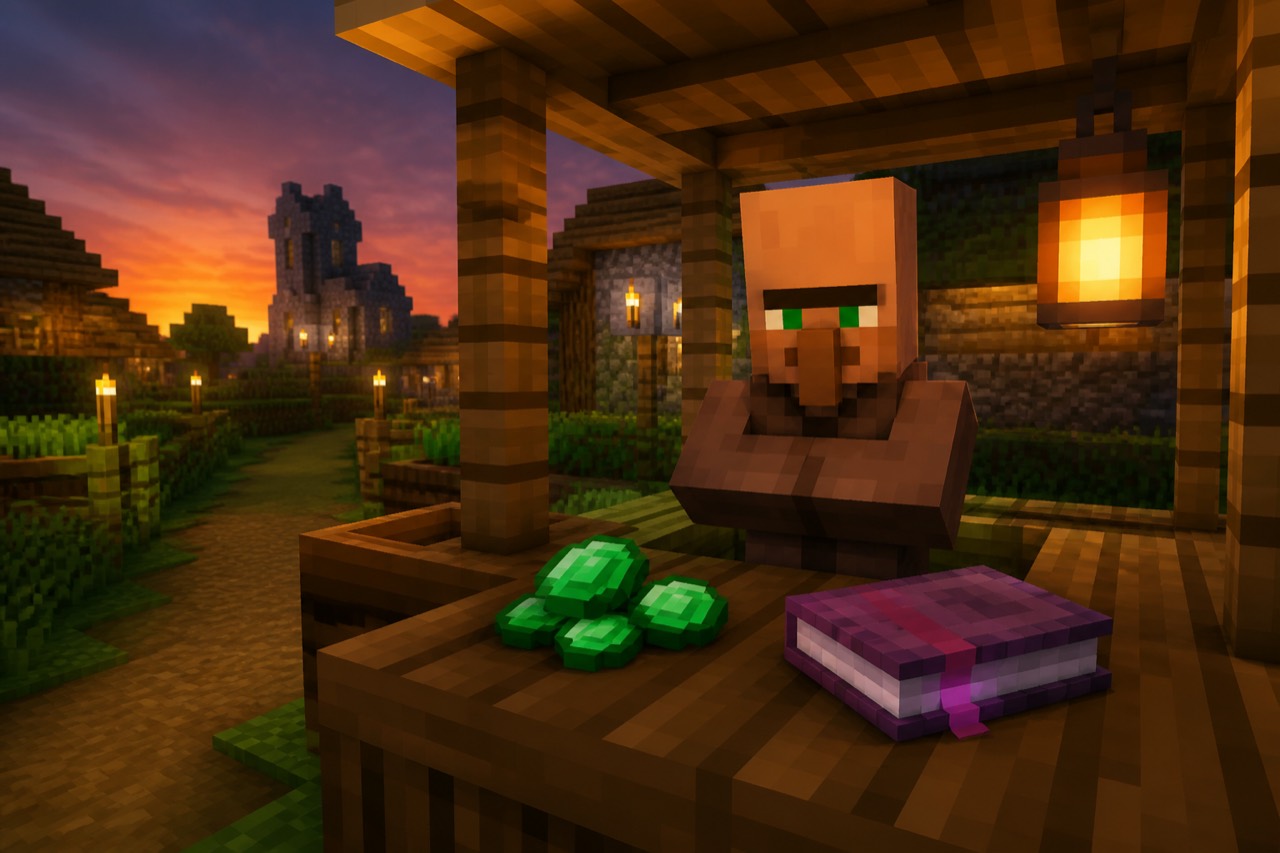
In Minecraft, farming feels free because the minutes are the game. Put a paycheck on those minutes and cheap aisle food can look expensive to make yourself, while steak can flip.
Bread can cost about 5× the store. Steak can cost less.
You stand at a wheat plot, harvest, craft bread, and it took about a minute of active work in my recipe. At the store, that same kitchen portion is about 12 cents.
I wanted to know whether “making it yourself” still looks cheap once those minutes have a dollar price. I priced that minute like average U.S. private pay (about $37.60 an hour in June 2026). The bread’s time-cost lands around 63 cents. That’s about five times the shelf price.
Steak goes the other way. A short cattle-pen recipe is 2.5 active minutes, about $1.57 of that same paycheck, against a $2.41 grocery portion. So the pen-side minutes come in at about 0.6× the meat counter. In this model, the cows beat the butcher.
Cheap aisle food is cheap because stores sell a lot of it. Price every minute like office wages and those same foods look expensive to “make yourself.” Grocery meat is already pricey, so a short pen recipe can sit under that tag.
| Food | Active minutes (recipe) | Labor @ private wage | Grocery shelf | Labor ÷ shelf |
|---|---|---|---|---|
| Bread | 1.0 | $0.63 | $0.12 | 5.4× |
| Baked potato | 0.75 | $0.47 | $0.35 | 1.3× |
| Carrot | 0.5 | $0.31 | $0.12 | 2.5× |
| Steak | 2.5 | $1.57 | $2.41 | 0.6× |
| Porkchop | 2.0 | $1.25 | $0.81 | 1.5× |
| Chicken | 1.5 | $0.94 | $0.78 | 1.2× |
| Cookie | 1.5 | $0.94 | $0.14 | 6.7× |
| Golden carrot | 6.0 | $3.76 | $0.12 | 30.3× |
| Apple | 1.0 | $0.63 | $0.26 | 2.4× |
Bread is the cheap loaf with a paycheck stuck to it: about 5.4 times the store price. Steak is the flip: about 0.6 times the meat-counter price.
Labor dollars vs grocery dollars
Green = farm time × U.S. private wages; gray = store shelf. When green is taller, “making it” is the expensive path.
| Label | Labor @ private wage | Grocery shelf |
|---|
Golden carrots are the extreme
The produce half of a golden carrot is about 12 cents, same as a plain carrot. The time-cost is not: six active minutes, including gold-work time, prices out at $3.76. That’s about 30 times the produce shelf price.
Cookies sit in the same neighborhood as bread: 6.7×. A lot of kitchen calories, a cheap store tag, and minutes that add up once you price them.
The minutes are recipes I chose: pens and plots, not walking the whole map for cows. Disagree with the minutes and the dollars move. The grocery column matches the kitchen portions from the villager grocery page.
In this model, making the cheap aisle foods yourself is the expensive path. The meat counter can go the other way. Golden carrots jump the farthest because the gold-work time sits on a 12-cent carrot.
How I calculated it
Minutes × $37.60/h (U.S. Bureau of Labor Statistics private average earnings, June 2026) and × $7.25 federal minimum for a sensitivity check. Retail column matches kitchen portions from the grocery page.
Short active-work recipes (pens and plots, not walking the whole map). Labor minutes are open recipes I chose, not values from the game files.
Nobody should quit a job to plant virtual wheat. Minecraft treats time as fun. Wage math treats time as money. For you, that contrast is the point. Not a career tip.
Sources
- U.S. Bureau of Labor Statistics (BLS) CES0500000003 average hourly earnings, total private (~$37.60, June 2026).
- Kitchen prices and portions: What does a villager food trade cost in real grocery money?
